A Global Phenomenon of Art, Storytelling, and Culture
Anime isn’t just “cartoons from Japan.” It’s a full-blown storytelling medium with its own identity—emotionally rich, visually distinct, and incredibly diverse. Over the years, anime has grown from a regional form of entertainment into a global cultural force, shaping how people experience stories, characters, and even ideas about life.
What Exactly is Anime?
The word “anime” comes from the English word “animation,” but in Japan it refers to all animated works. Outside Japan, though, anime specifically means animation produced in Japan or inspired by its style. What sets anime apart isn’t just the art—it’s the depth of storytelling, the complexity of characters, and the willingness to explore themes that many Western animations avoid.
Anime can range from lighthearted comedies to intense psychological dramas. You’ll find everything from school romances and fantasy adventures to dark explorations of identity, war, and morality.
A Brief History
Anime didn’t appear overnight. Its roots go back to early 20th-century Japanese animation, but it really started gaining popularity in the 1960s with works like Astro Boy, created by Osamu Tezuka. He’s often called the “God of Manga” because of how much he shaped modern anime and manga.
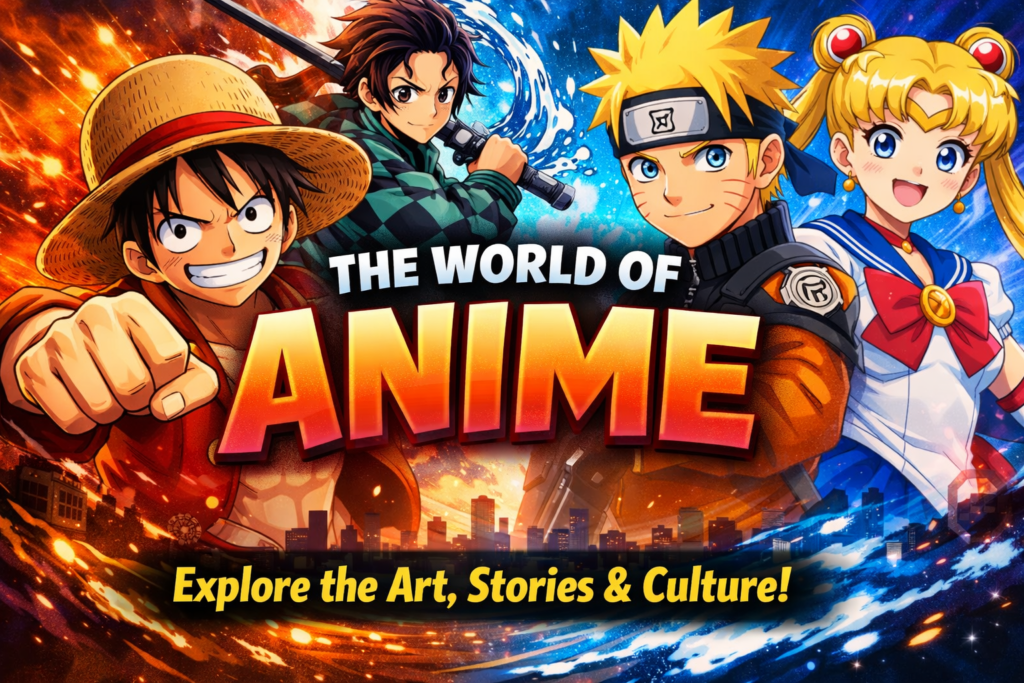
In the 1980s and 90s, anime evolved quickly with iconic titles like Akira and Neon Genesis Evangelion, which introduced deeper philosophical themes and complex storytelling. By the early 2000s, anime had gone global, thanks to shows like Naruto, Dragon Ball Z, and One Piece.
Today, anime is everywhere—from streaming platforms to cinema screens.
Unique Art Style
One of the first things people notice about anime is its visual style. Big expressive eyes, detailed backgrounds, dramatic lighting—these are all part of the aesthetic. But anime isn’t limited to one look. Some shows go for hyper-realism, while others embrace abstract or minimalist styles.
Studios like Studio Ghibli are known for their breathtaking hand-drawn visuals, especially in films like Spirited Away. On the other hand, modern anime often blends 2D and 3D animation to create dynamic action scenes.
Storytelling That Hits Different
Anime stands out because it doesn’t shy away from real emotions or difficult topics. It treats viewers with respect, assuming they can handle complex narratives.
Take Attack on Titan, for example. What starts as a simple survival story turns into a deep exploration of freedom, war, and human nature. Or Death Note, which dives into morality and justice in a way that keeps you questioning who’s actually right.
Even lighter shows often carry emotional weight. Your Lie in April mixes music and romance with themes of loss and healing.
Genres for Everyone
One reason anime has such a massive following is its variety. There’s something for everyone:
- Shonen (targeted at young males): Action-packed shows like My Hero Academia
- Shojo (targeted at young females): Romance-focused stories like Fruits Basket
- Seinen (for adult men): More mature themes, like Tokyo Ghoul
- Josei (for adult women): Realistic relationships and life stories
Beyond these, there are genres like fantasy, sci-fi, horror, slice of life, and sports. Whether you want intense battles or calm everyday moments, anime has it.
Cultural Influence
Anime is deeply connected to Japanese culture, traditions, and values. You’ll often see elements like festivals, food, honor, and family dynamics woven into stories. But what’s interesting is how easily these themes connect with global audiences.
Fans across the world celebrate anime through cosplay, fan art, and conventions. Events like anime expos bring thousands of fans together, creating a strong sense of community.
Anime has also influenced other industries. Western shows, movies, and even video games now borrow elements from anime—whether it’s storytelling style or visual design.
Music and Sound
Another underrated aspect of anime is its music. Opening and ending themes often become hits on their own. Songs from shows like Demon Slayer have gained millions of listeners worldwide.
Background scores also play a huge role in building emotion. A good anime soundtrack can make scenes unforgettable.
Technology and Modern Growth
With streaming platforms like Netflix and Crunchyroll, anime is now easier to access than ever. This has helped it reach audiences who might never have discovered it before.
Technology has also improved production quality. Better animation tools allow studios to create more detailed and fluid scenes, especially in action-heavy shows.
Why People Love Anime
At its core, anime connects with people because it feels real—even when it’s completely fictional. Characters struggle, grow, fail, and succeed in ways that feel relatable.
Anime doesn’t always give perfect endings. Sometimes it leaves you thinking, questioning, or even a little uncomfortable—and that’s part of its power.
It also respects the viewer’s intelligence. Instead of explaining everything, it often lets you interpret things yourself.
Final Thoughts
Anime has come a long way from its early days. What started as a niche form of entertainment is now a global movement. It’s not limited by age, culture, or language. Whether you’re watching for action, emotion, or just a good story, anime delivers in a way that feels unique.
If you haven’t explored anime yet, you’re missing out on a world full of creativity and depth. And once you get into it, it’s hard to stop—because there’s always another story waiting to pull you in.